
When Auntie Speaks
- Kim Trottier

- Mar 3
- 2 min read
Last week I had the pleasure of sharing a long conversation with my friend Andrew Callicum, a Nuu-chah-nulth man from Mowachaht/Muchalaht First Nation.
He and I spoke about In Plain Sight, the report led by Mary Ellen Turpel-Lafond, and how its findings are not theoretical. They show up in ordinary appointments. In quiet calculations. In the pause before someone decides whether speaking up is worth it.
Over the years, patients have trusted me with experiences that left them feeling uncomfortable or unsafe in other care settings. When I offer to support a conversation or walk alongside them in filing a complaint, there is often reluctance. Not because it did not matter. But because it feels heavy. Because they do not want to be labelled difficult. Because history has taught them that systems often protect themselves first.
One patient described an encounter during a referral that left her feeling physically uncomfortable. When she described the interaction to me, her discomfort was justified. She shared that she used her voice in the moment. She asked for space. Knowing her as I do, I can imagine how she might have expressed her discomfort. Perhaps a bit sharp, with an edge of confrontation. The provider adjusted their approach briefly, and then the behaviour returned. She chose not to go back to that office ever again.
What lingered was the internal negotiation afterward. Was it serious enough to name?Was it worth calling it? Would the tone she'd used overshadow her truth?
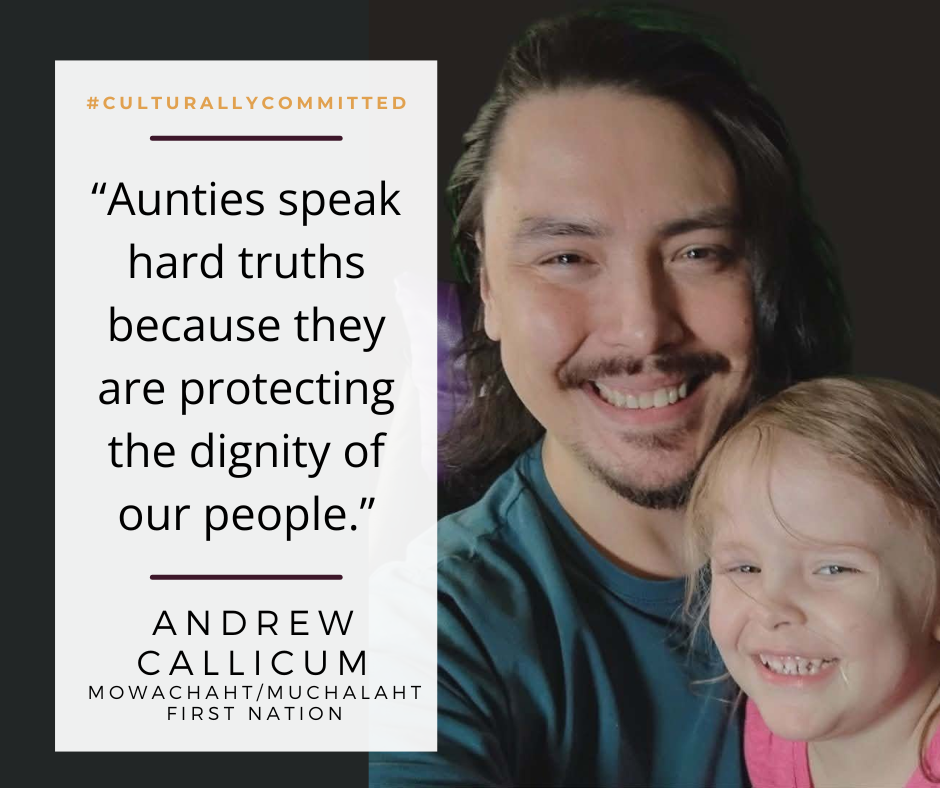
Our conversation inspired discussion about Aunties, and the shield they bring to their communities. Andrew shared:
In Plain Sight held up a mirror, and yet so few have dared to truly look into it. When Aunties name harms, the response is often about their tone, not the harm they named. What follows can look like accountability, but feels more like damage control. Aunties speak some of the hardest truths because they have fought the hardest to protect the dignity of our people. Their voices are a vital layer of protection for their communities. If the system cannot hear that, then the system is the problem.
~ Andrew Callicum
I think about how much of a reflex it is to defend our professionalism before we examine our impact.
George and Thomas have both shared that when their Grandma Nora offered teachings, it sometimes felt like getting in trouble. Teachings are not designed to protect comfort. They are meant to protect people.
If we center tone over truth, we miss the teaching.
This week I am asking myself where I might still resist the mirror.
Because sometimes the most loving voice in the room is the one that refuses to soften the message.
<3 Kim


Comments